A small summer project started by a 21-year-old student in 1991 went on to become one of the foundations of the modern digital world. Discover how Linux grew through curiosity, iteration, community and open collaboration.
AI is changing software development, shifting the focus from simply writing code to clearly defining what software should do. Discover how Spec-Driven Development (SDD) uses structured specifications to guide AI coding agents, improve reliability, reduce risk, and turn business intent into better software.
In our increasingly digital world, developers wield immense influence over how technology affects people and society. Ethical coding means writing software that respects users’ rights, promotes fairness, and minimizes harm. This involves practices like safeguarding user data, checking for bias, and ensuring transparency. In this article, we explore key ethical considerations for developers – from privacy to accessibility to sustainability – and offer practical guidance on how to code responsibly.
In 2026, software is no longer just an operational utility; it is your business identity. From shaping customer experience and streamlining execution to empowering decisions and safeguarding data, code is now the core of corporate strategy.
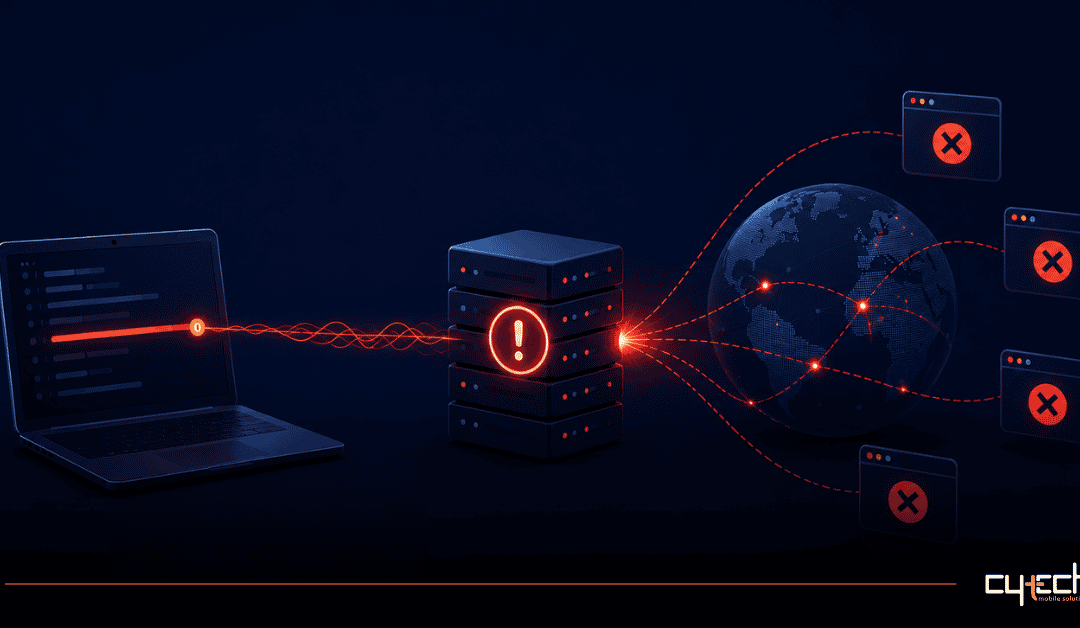
Anyone who has worked even briefly in a real production environment knows the anxiety that arises when something stops working properly and there is no clear explanation. Users report issues that are difficult to reproduce, the system slows down for no obvious reason, and the data in front of you does not lead to any solid conclusion. Logs are poor or vague, metrics appear “normal,” and yet the user experience is degrading.
In a world where software delivery speeds keep accelerating, CI/CD has become the backbone of modern DevOps. But as cloud-native architectures grow more complex, one methodology is rising from a niche practice to a mainstream standard: GitOps.
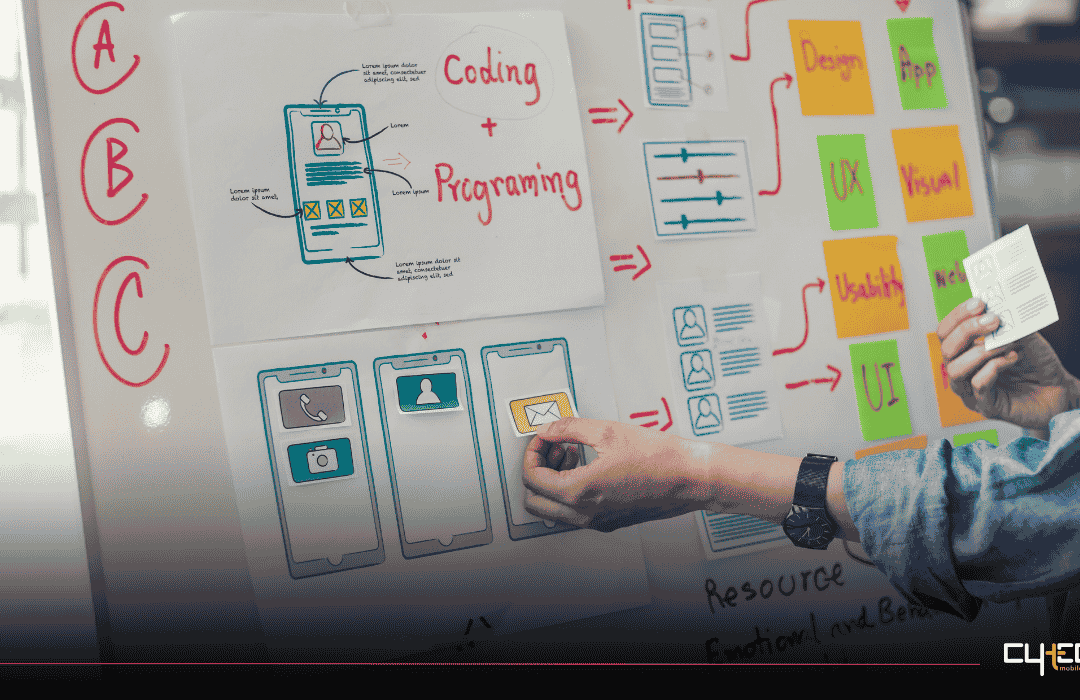
Ever opened an app that looked promising, only to get lost in confusing menus or endless forms? That frustration you felt wasn’t a bug — it was bad UX. And that’s exactly why software developers should care more about user experience design.
Artificial Intelligence (AI) has moved from futuristic promise to present-day impact, particularly in the realm of software development. From concept to continuous deployment, AI now influences nearly every phase of the Software Development Lifecycle (SDLC). This transformation is not only enhancing productivity but also redefining the way developers, designers, and businesses approach software engineering.
Open source has evolved from a developer’s philosophy into a cornerstone of enterprise innovation. Today, 96% of commercial codebases rely on open-source components that power the world’s digital infrastructure. Discover how open ecosystems drive agility, transparency, and sustainable growth — transforming software from code into shared value.
Software, for most people means lines of code, frameworks, and technologies. Yet in reality, the element that makes the real difference is not only technical excellence but trust. A piece of software may be well-written and fast, but if it does not inspire confidence, it will not survive in the long run.