Key Software Trends to Watch in 2026

In 2026, software is no longer just an operational utility; it is your business identity. From shaping customer experience and streamlining execution to empowering decisions and safeguarding data, code is now the core of corporate strategy.

Share
When Ransomware Ruined Christmas for 30,000 Businesses

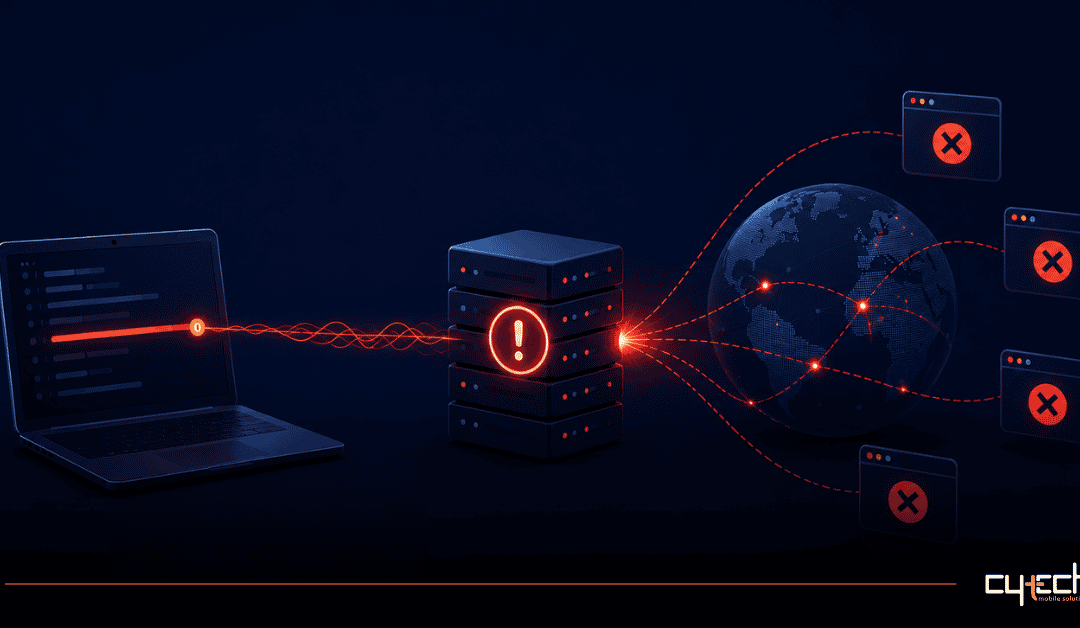
Christmas Eve 2018 revealed a harsh truth: cyberattacks don’t take holidays. This article revisits the ransomware incident that disrupted 30,000 businesses worldwide and explores why holiday periods have become a prime target for attackers—and what organizations must do to stay resilient.

Share
Designing Software with Observability from Day One

Anyone who has worked even briefly in a real production environment knows the anxiety that arises when something stops working properly and there is no clear explanation. Users report issues that are difficult to reproduce, the system slows down for no obvious reason, and the data in front of you does not lead to any solid conclusion. Logs are poor or vague, metrics appear “normal,” and yet the user experience is degrading.

Share
How AI Is Transforming the Software Development Lifecycle (SDLC)

Artificial Intelligence (AI) has moved from futuristic promise to present-day impact, particularly in the realm of software development. From concept to continuous deployment, AI now influences nearly every phase of the Software Development Lifecycle (SDLC). This transformation is not only enhancing productivity but also redefining the way developers, designers, and businesses approach software engineering.

Share
The Future of Open Source in Enterprise Innovation

Open source has evolved from a developer’s philosophy into a cornerstone of enterprise innovation. Today, 96% of commercial codebases rely on open-source components that power the world’s digital infrastructure. Discover how open ecosystems drive agility, transparency, and sustainable growth — transforming software from code into shared value.

Share
Why Trust in Software Matters More Than Code

Software, for most people means lines of code, frameworks, and technologies. Yet in reality, the element that makes the real difference is not only technical excellence but trust. A piece of software may be well-written and fast, but if it does not inspire confidence, it will not survive in the long run.

Share
Innovation Potential: Unleash the Low-Code & No-Code Revolution

August is the month when life slows down, but digital innovation never hits “pause.” The rise of Low-Code and No-Code (LCNC) platforms is reshaping the software landscape, allowing anyone—from seasoned professionals to non-technical users—to create applications with simple drag-and-drop tools. These platforms democratize innovation, dramatically cut costs, and accelerate project timelines from months to days. While they offer immense benefits, businesses must navigate challenges like customization limits and the risks of "shadow IT." This article explores why LCNC is a game-changer and how it's empowering a new generation of creators.

Share
Which Programming Languages are the Most In-Demand in 2025

In the world of technology, one thing is certain: everything changes. In 2025, amidst breakthroughs in artificial intelligence, shifts toward cloud-native architectures, and growing demands for real efficiency, programming languages are not being left behind — they are evolving and transforming. Some well-known veterans are returning stronger than ever, while new, fresh contenders are claiming their share in this dynamic landscape. For developers and tech professionals — especially in sectors like telecom, SaaS, or AI — knowing which programming languages are in highest demand is more than trivia. It's a strategic advantage. Languages like Python continue to dominate due to their role in AI and data science, while JavaScript and TypeScript remain the pulse of the web. Meanwhile, emerging players like Rust (for safety and speed) and Mojo (designed for AI workloads) signal where the market is heading next.

Share