Every day, billions of texts, chat messages, and notifications fly invisibly around the world. A “ping” wakes us up in the morning, another reminds us of a payment, and by evening we’ve sent dozens of messages without a second thought.
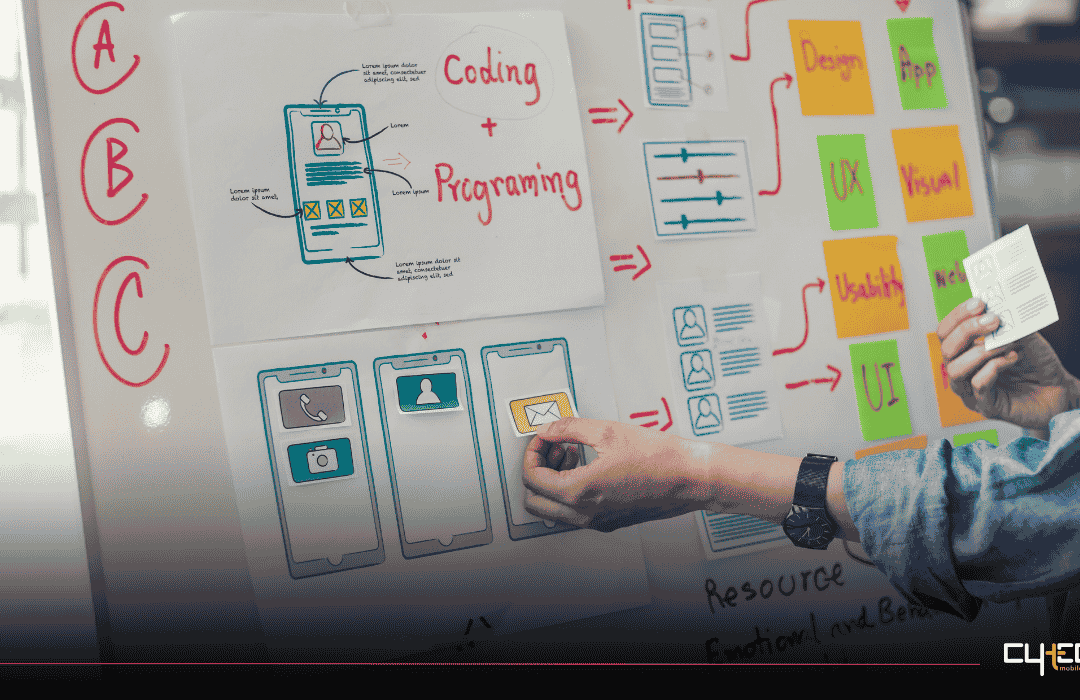
Ever opened an app that looked promising, only to get lost in confusing menus or endless forms? That frustration you felt wasn’t a bug — it was bad UX. And that’s exactly why software developers should care more about user experience design.
Telecommunications networks are the bedrock of the modern economy and society. They function as the beating heart of our digital world, transmitting every critical message, call, and financial transaction. Because of this unparalleled importance, telecoms have become a prime target in the evolving cyber threat landscape. Cyber attacks against these networks can cripple governments, financial markets, and emergency services. This article delves into why robust, proactive cyber security strategies are the only way forward for telecommunications providers to shield their critical infrastructure and guarantee the trust and resilience of the global communication system.
Artificial Intelligence (AI) has moved from futuristic promise to present-day impact, particularly in the realm of software development. From concept to continuous deployment, AI now influences nearly every phase of the Software Development Lifecycle (SDLC). This transformation is not only enhancing productivity but also redefining the way developers, designers, and businesses approach software engineering.
Every SMS hides a transaction more valuable than its 160 characters. This phrase captures how Application-to-Person (A2P) messaging underpins billions of dollars in commerce and critical services daily.
Open source has evolved from a developer’s philosophy into a cornerstone of enterprise innovation. Today, 96% of commercial codebases rely on open-source components that power the world’s digital infrastructure. Discover how open ecosystems drive agility, transparency, and sustainable growth — transforming software from code into shared value.
For more than three decades, SMS has been the backbone of mobile communication. From the first “Merry Christmas” text in 1992 to today’s enterprise-scale messaging campaigns, traditional telco messaging has proved remarkably resilient. Yet the past decade has witnessed the meteoric rise of Over-The-Top (OTT) applications —WhatsApp, Viber, Telegram, WeChat, and many others — that bypass telco infrastructure, offering richer, app-based messaging experiences.
Madrid became the stage for a milestone chapter in Cytech’s journey this September. From the 16th to the 18th of September 2025, our team joined the global messaging community at the Wholesale World Congress (WWC), while on the 16th of September we proudly stood among the industry’s finest at the 3rd Antonio Meucci Awards (AMA). It was a week that combined innovation, recognition, and the reaffirmation of Cytech’s commitment to shaping the future of telecom software.
Software, for most people means lines of code, frameworks, and technologies. Yet in reality, the element that makes the real difference is not only technical excellence but trust. A piece of software may be well-written and fast, but if it does not inspire confidence, it will not survive in the long run.
The telecom industry is a fast-paced market where agility is key. Cloud messaging for startups is a game-changer for emerging players, offering a secret weapon to compete with established giants. This article explains how these tools provide instant scalability, global reach, and significant cost savings, freeing startups to focus on what matters most: innovation and growth.