

Table of Contents
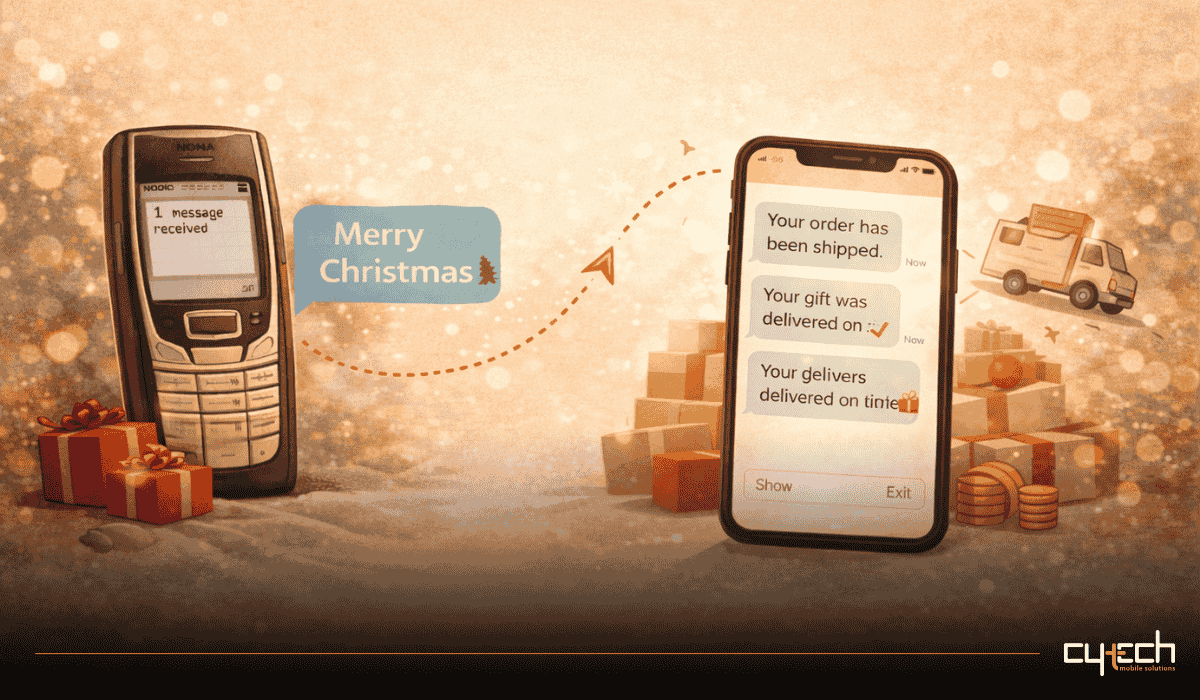
Back then, SMS was not taken for granted. It was an act. Writing a message required thought, patience, and intention. You had to type it carefully and decide who would receive it. You did not send holiday wishes to everyone. You sent them to your people. During the holidays, this small digital gesture worked like a card, like a phone call you never quite managed to make, like a quiet reminder that you remembered.
When Messages Were Personal by Nature
In the early 2000s, technology itself imposed a more human pace. The 160-character limit, the numeric keypad, the lack of convenience left little room for excess. Holiday messages were short, simple, and often clumsy, yet they carried a sincerity that today feels almost nostalgic. The mobile phone was personal, almost private, and SMS was an extension of that intimacy.
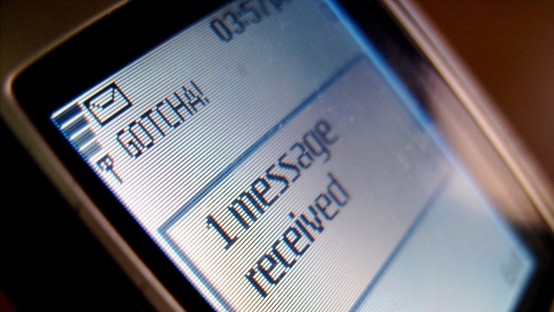
During the holidays, this feeling became even stronger. Messages arrived late on Christmas Eve or early on Christmas morning. They did not interrupt you; they accompanied you. They were small digital gestures woven into days filled with physical presence, family gatherings, and real conversations. At the time, the idea that a message might come from a business felt foreign, even intrusive. SMS belonged to people, not to systems.
When Scale Changed Everything
Gradually, almost without us noticing, things began to change. Mobile phones became widespread, contact lists grew, copy-and-paste entered everyday life, and group messages stopped feeling excessive. Holiday wishes remained warm, but they became more standardized. The same message could reach friends, colleagues, and acquaintances with a single tap.
Around the same time, businesses cautiously began experimenting with SMS. Holiday opening hours, special offers, reminders. At first it felt odd, but it quickly proved useful. Messages no longer carried only emotion; they carried information. And that information had value—especially during the holidays.
The Smartphone Era and Messaging as a Daily Tool
With the arrival of smartphones, expectations changed dramatically. Communication became continuous, immediate, and layered. Apps multiplied, yet SMS did not disappear. Instead, it found a new, more fundamental role.
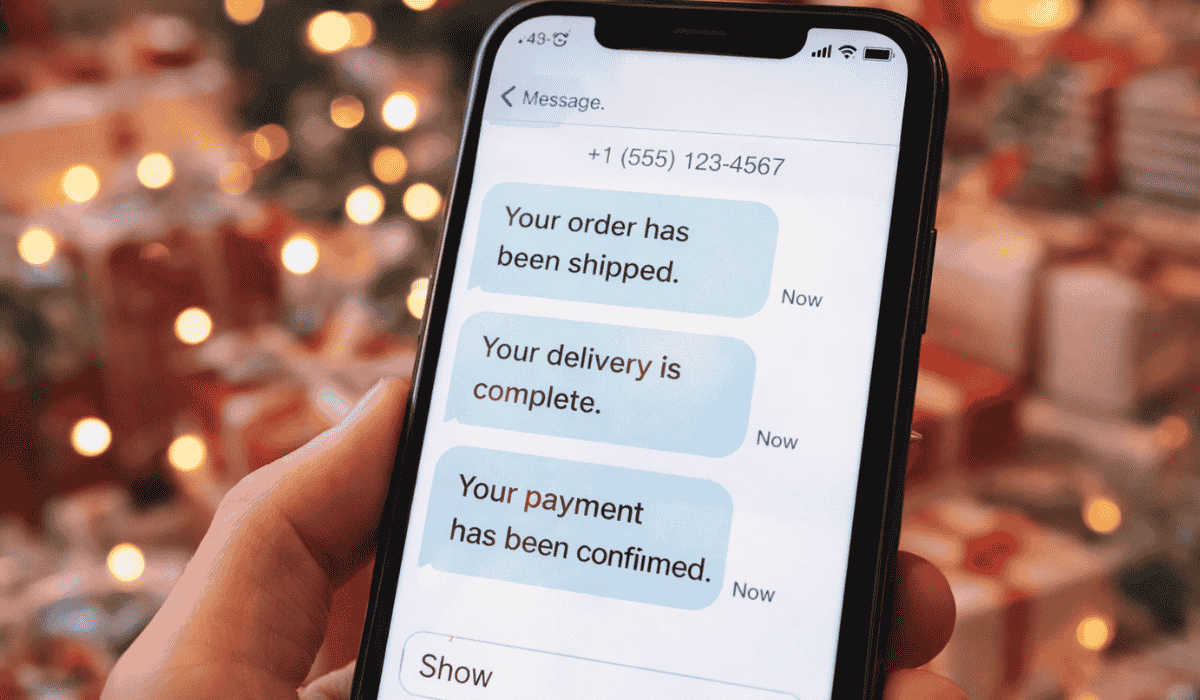
In December, that role becomes unmistakably clear. The holidays turned into a season of intense coordination: travel, shopping, deliveries, appointments, payments. Within all this activity, messages began to say different things. “Your order has been shipped.” “Your delivery is complete.” “Your payment has been confirmed.” These are not holiday messages in the traditional sense, yet they are essential. They bring relief. They create a sense of control. They confirm that everything is going as planned.
Without us fully realizing it, messaging became infrastructure—something invisible that supports the entire holiday experience.
From Wishes to Reassurance
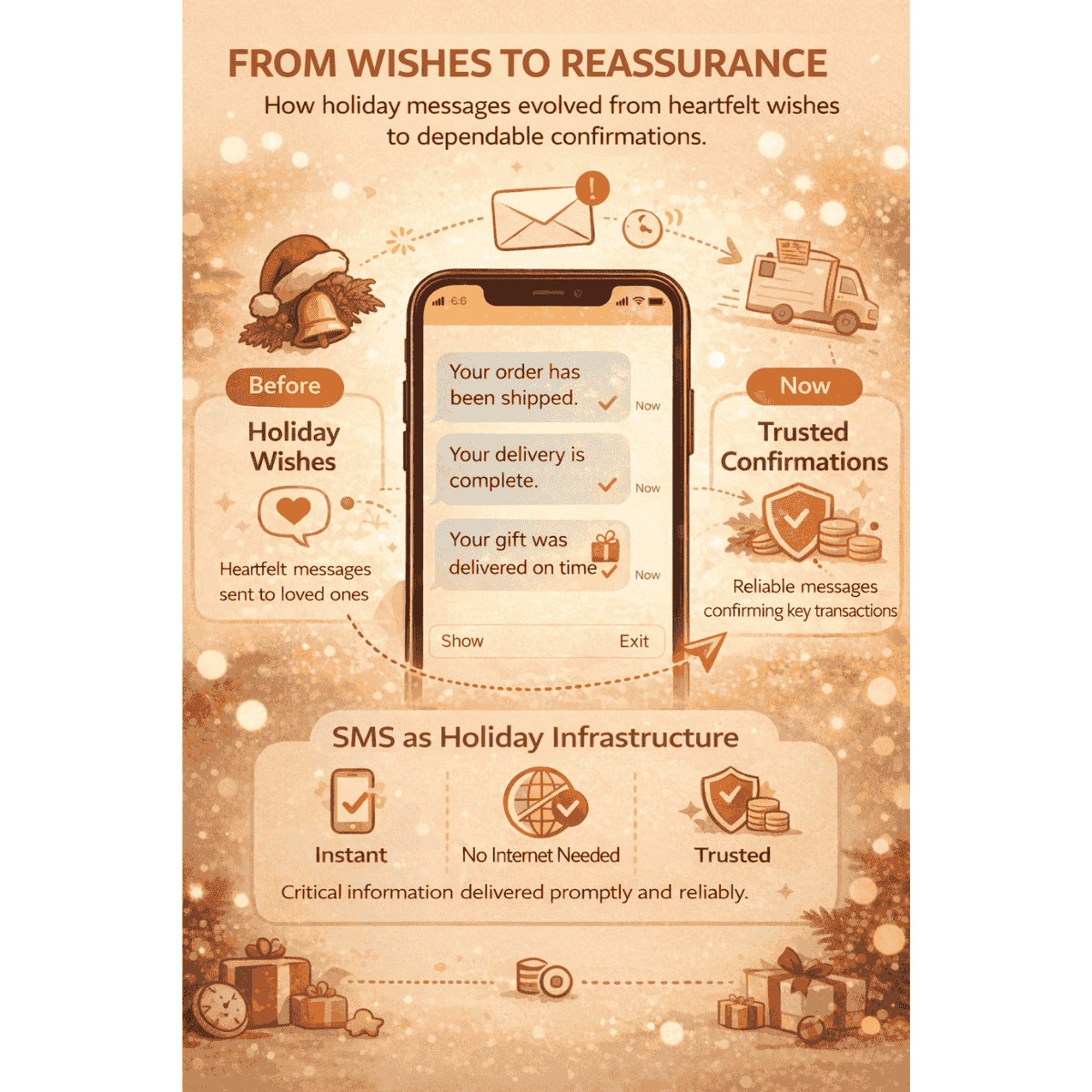
The evolution of holiday messages reflects a deeper social shift. As everyday life became more complex and more digital, communication adapted. Messages are no longer only carriers of emotion; they are tools for coordination.
This does not mean the human dimension was lost. It simply changed form. A message confirming that a gift arrived on time can now carry emotional weight equal to a holiday wish. It does not say “I’m thinking of you” in words; it shows it through action.
SMS as Holiday Infrastructure
Despite the abundance of communication channels, SMS remains uniquely reliable. It works on every device, does not require an internet connection, and is almost always read immediately. During the holidays, when everything moves quickly and expectations are high, these qualities become crucial.
That is why the most critical holiday communications still rely on SMS: deliveries, confirmations, security alerts. This is not about trends. It is about trust.
What We Lost and What We Gained
It is natural to feel nostalgic for the simple, awkward “Merry Christmas” messages of earlier years. They had an innocence that is hard to reproduce today. In exchange, however, we gained something equally important: certainty. Modern holiday messages reduce stress, organize experiences, and allow us to enjoy the moment without loose ends.
The shift from wishes to confirmations is not a loss of humanity. It is an adaptation to reality.
Messaging as a Mirror of Everyday Life
If one wants to understand how society changes, it is often enough to observe how it communicates. Holiday messages are a small but revealing mirror of that evolution. We moved from personal moments to collective coordination—and messaging followed.
For companies like Cytech, this evolution is more than historical curiosity. It is the context in which modern communication is designed: with an emphasis on reliability, clarity, and trust, especially during periods of high importance such as the holidays.
The Next Holiday Message
The future of holiday messaging will not choose between emotion and functionality. It will combine them. Messages will become smarter, more personalized, and more human—without losing their usefulness. A holiday wish will be able to coexist with practical information, without diminishing either.
A Familiar Sound, a New Meaning
The sound of an incoming message remains the same. What has changed is its meaning. Once, it simply signaled a greeting. Today, it often signals reassurance that everything is running smoothly.
From “Merry Christmas” to “Delivered,” holiday messages have grown up alongside us. And in their quiet, unobtrusive way, they continue—now more than ever—to keep us connected.